Showing posts with label HEALTH. Show all posts

Wednesday, 15 June 2016

Health; Antibiotics may blunt breastfeeding's benefits- Experts

Early use of antibiotics may dampen some of the benefits of breastfeeding, a new study suggests.

Researchers found that babies who were prescribed antibiotics while they were breastfeeding or shortly afterward were prone to infections and obesity, UPI wrote.

Wednesday, 11 May 2016

News; Nigeria not ready to eliminate malaria

The World Health Organisation (WHO) in its report titled “Global Technical Strategy for Malaria, 2016-2030” to mark this year’s World Malaria Day in Geneva listed Nigeria among countries that are not ready to eliminate malaria. This assessment seems credible because the government agencies and NGOs that are saddled with the responsibility of combating this dreaded disease are doing so with levity and defective strategies.

The mosquito net distribution scheme and drug therapy as preventive and curative measures are flawed for obvious reasons. The mosquito net can only offer limited protection within the sleeping area and not in other locations in the house or in public places and as such unreliable as preventive and protective measures.

The drug therapy on the other hand, offers a cure for one infection only. Subsequent attacks which may be as many as 5-8 incidents in a year must also be treated. The drugs are expensive and one untreated attack could lead to cerebral malaria and death. In view of these obvious flaws, a more practical and effective strategy must be found to fight malaria in Nigeria. The success story of countries that focused on the elimination of mosquito colonies based on the common sense logic of “no mosquito, no malaria” should be explored.

The Maghreb countries in North Africa and countries in the Caribbean Islands have achieved remarkable successes in fighting malaria by eradicating mosquitoes by these three means viz: fumigation, larvicide and sterilisation.

 The first strategy is not new in Nigeria. In the early years of Nigeria’s independence, sanitary teams carried out routine fumigations in towns and villages to control and eradicate mosquitoes in their habitats. These operations achieved a high degree of success and incidents of malaria attacks were dramatically reduced.
                                                               

The second method is through the introduction of a non-toxic larvicide, the Bacillus Thurengensis Israeliensis (BTI) into mosquito breeding grounds, such as gutters, sewage pits and stagnant pools. The BTI consumes the mosquito larvae, thus preventing it from developing further into the flying mosquito. Inevitably, the colony goes into extinction.


The third method involves the introduction of clinically sterilised male mosquitoes into the wild. When the sterile male mates, the unfertilised eggs are unable to develop into the larvae stage and so on, leading to the gradual depletion of the colony and eventual extinction.

Saturday, 7 May 2016

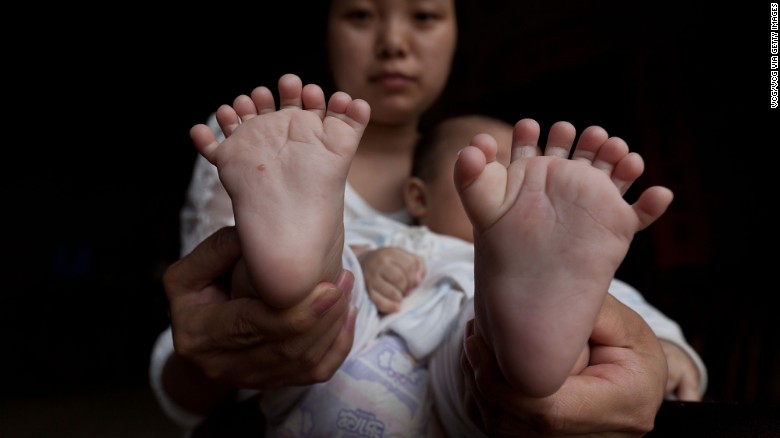
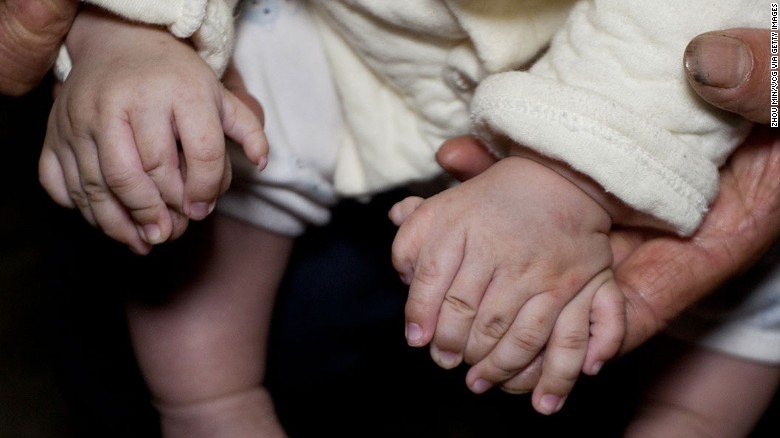
Health; Four months old suffers polydactylism

 Meet Hong Hong. He's almost 4 months old, lives in China and has 31 fingers and toes.

That's not a typo. The boy was born in January with 15 fingers and 16 toes in Pingjiang County in Hunan province. He also has two palms on each hand and no thumbs.


Doctors diagnosed Hong Hong with polydactylism, a congenital condition that happens in humans, dogs and cats, giving them extra fingers and toes. Polydactyly is a pretty common condition, affecting about one in every 1,000 live births, according to Children's Healthcare of Atlanta. Often, the extra digits are removed surgically. Hong Hong's parents are trying to raise enough money so their son can undergo the life-changing operation.

Friday, 6 May 2016

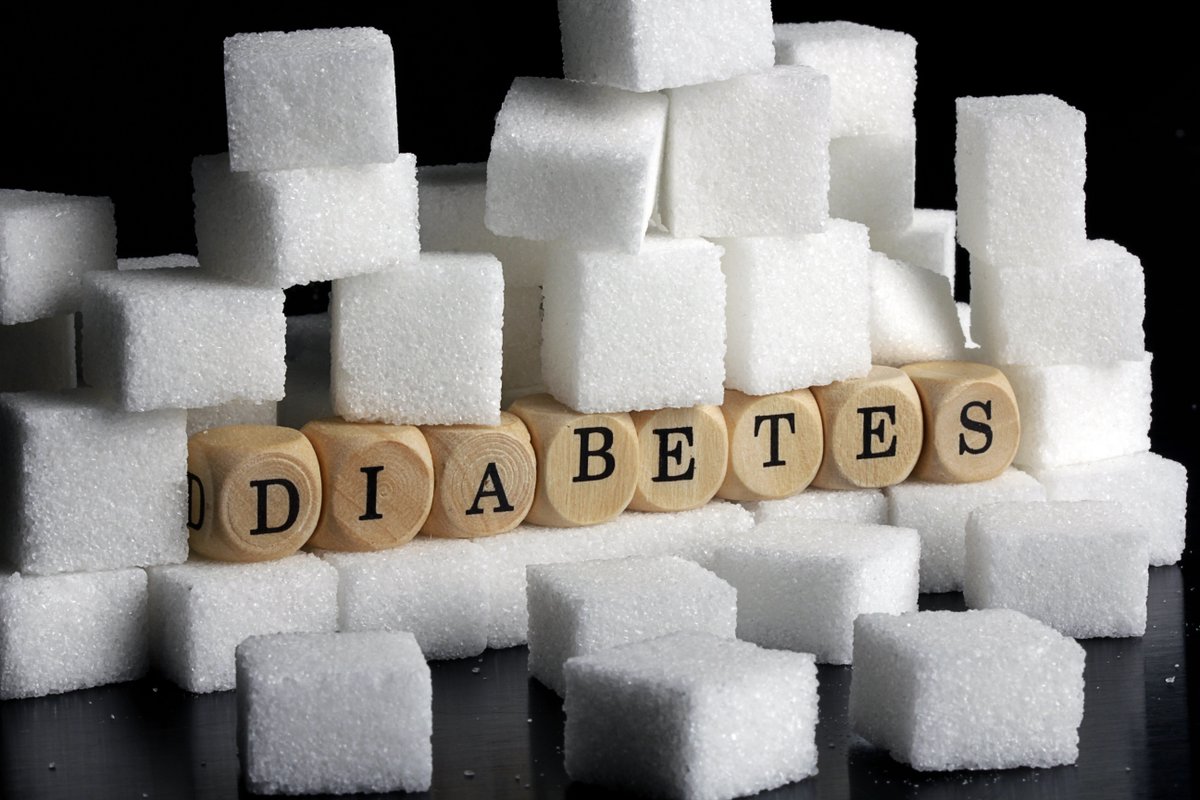
Health; 8 surprising symptoms of diabetes

 The symptoms of type 2 diabetes usually appear in subtle ways. In fact, it’s typical for people in the early stages of the disease not to realize there’s something wrong for about 5 years before they are diagnosed.
 Diabetes can wreak havoc on your health, especially if it goes undiagnosed for too long, that is why it is important to know the signs and symptoms before it goes too far. Many of us know the most common symptoms—frequent urination, increased thirst and unusual weight loss, just to name a few; but there are plenty of other less obvious signs that something is not quite right.
Here are some of the most surprising symptoms of diabetes:

1. Snoring Is your snoring keeping your spouse up at night? Excessive nighttime noise is one symptom of diabetes, and has actually been shown to be a risk factor for developing the disease. One major sleep disorder associated with snoring, obstructive sleep apnea, is nine times more common in diabetics than in the general population. www.showmehealthytips.com

2. Feeling cold People with diabetes often feel unusually cold, especially in their hands and feet. This is due to diabetic neuropathy and kidney damage is the result of diabetes which causes poor circulation, and thus makes it difficult for your hands and feet to stay warm. www.showmehealthytips.com

 3. Irritability Diabetes isn’t just a disease of the body, it’s also a disease of the mind. The low glucose levels that are a hallmark of diabetes can cause all sorts of mental issues—including anxiety, apathy, moodiness, impaired judgement and, yes, irritability.

 4. Bed wetting Most of us haven’t wet the bed since we were little—but people with both type 1 and type 2 diabetes are more prone to this embarrassing nighttime leakage. Frequent urination is a common symptom of diabetes and peeing in your sleep isn’t necessarily an exception.

5. Improved vision Poor vision and blindness are often associated with diabetes, but the opposite can also be true — some people with diabetes actually see their vision suddenly improve, at least temporarily. If you’ve worn glasses for decades and, all of a sudden, you can see clearly without them, talk to your doctor. www.showmehealthytips.com

6. Urinary tract infection Though many women, diabetic or not, develop a urinary tract infection at some point in their lives, women with diabetes are particularly susceptible to this painful infection.

7. Weird-looking foot Has your foot changed shape? As weird as it sounds, it’s one of the classic symptoms of diabetes. Nerve damage brought on by diabetes can change the shape of the muscles and bones in your feet. Your toes can curl, your arch can fall and the skin on your feet can get harder. www.showmehealthytips.com

8. Skin issues From ulcers to acne, nail infections to styes, people with diabetes are particularly prone to skin woes. Both bacterial infections, like styes and boils, and fungal infections, like candida, are common among people with diabetes. But then the good news is that Diabetes types 1and 2 can be completely reversed naturally. If you want to reverse diabetes quickly, this free information is your best bet. Check it out here. www.showmehealthytips.com


Health; 10 minutes sun exposure provides a a daily dose of Vitaamin D

Did you know that 10 minutes of sun exposure can provide your daily dose of D Vitamin?